The Sala delle Asse by Leonardo: closed for restoration
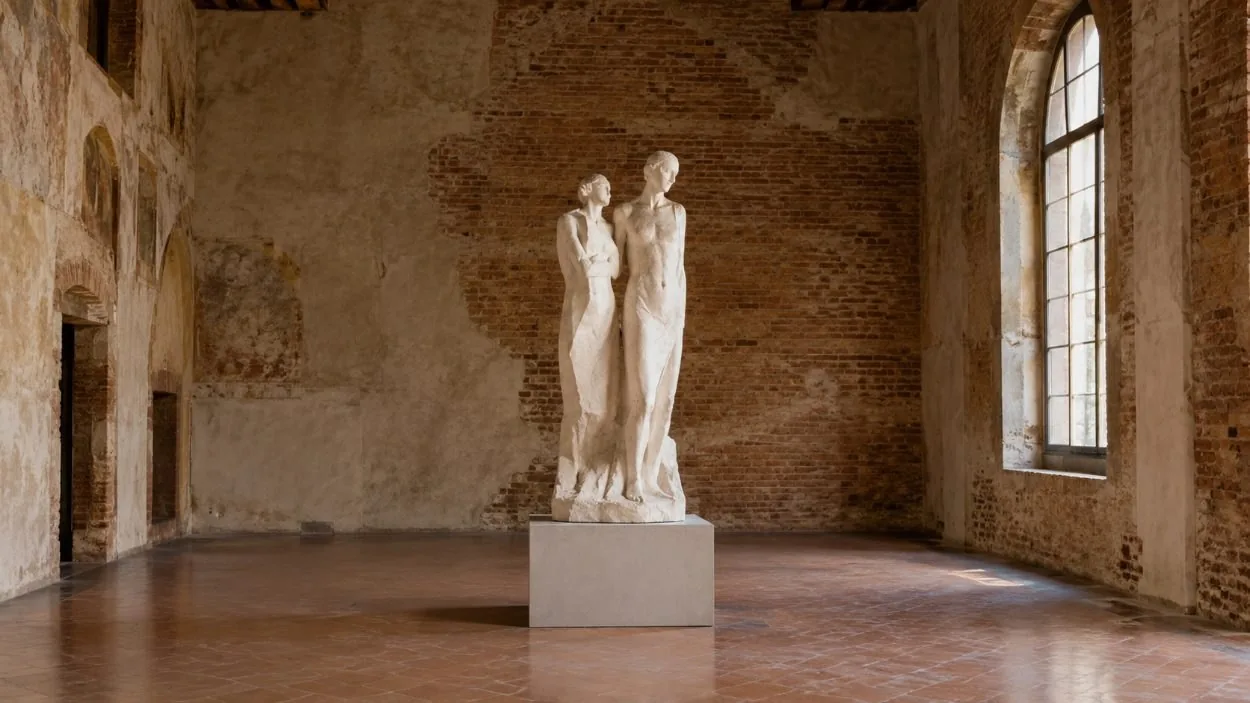
What is depicted
On the vault and walls, Leonardo painted a pergola: eighteen mulberry trees with intertwined branches that close overhead, tied with knotted golden cords. The mulberry tree, in dialect moro, is the emblem of Ludovico Maria Sforza, known as il Moro, the duke who kept Leonardo at court for nearly twenty years as an engineer, architect, and painter. The room is on the ground floor of one of the towers facing the park and is part of the Museo d’Arte Antica tour. Those who saw it before the closure remember above all the painted roots among the rocks, the most Leonardesque and least retouched part.
A history of cover-ups and repainting
After the fall of the Sforza family, the room was used like the rest of the castle, that is, as a barracks, and the painting ended up under layers of whitewash for centuries. Luca Beltrami rediscovered it in 1893, during the restoration that saved the castle. Ernesto Rusca repainted it in 1902 with a very heavy hand; in the 1950s, the repainting was toned down. Since 2012, a scientific restoration has been underway, removing layer by layer what is not by Leonardo. The museum has organized guided tours of the scaffolding at certain stages; these are castle initiatives, scheduled, not something to plan a trip around.
If you see a visit program listing Sala delle Asse among the stops, it’s a list copied from an old text. Ask what you can actually see. Even the skip-the-line private tour includes it in the itinerary, but at the moment, you can at most view it from the doorway.
When will it reopen
I don’t know, and no one knows for sure. The stated goal is to reopen around the Milano Cortina 2026 Winter Olympics. I’m not giving a date because I’ve seen several come and go. When it does reopen, it will be included in the single ticket for the museums, like the rest of the Museo d’Arte Antica.
So what by Leonardo remains
In the open rooms, nothing painted by him. The Codice Trivulziano is in the Biblioteca Trivulziana, a research institute, not a gallery. In 2024, a georadar study documented underground passages beneath the castle, including one that tradition claims led toward Santa Maria delle Grazie and that Leonardo sketched in his drawings: documented, not open to the public. The work worth entering the museums for remains the Pietà Rondanini, which is by Michelangelo. The rest of the ducal rooms, the Ponticella and the Argo of the Sala del Tesoro, are from Bramante’s era.
Anyone seeking Leonardo in Milan should head to the Cenacolo at Santa Maria delle Grazie, which must be booked well in advance. The Cenacolo tour with a walk to the castle does this, but beware: after the Cenacolo, it walks through the free courtyards and does not enter the museums.
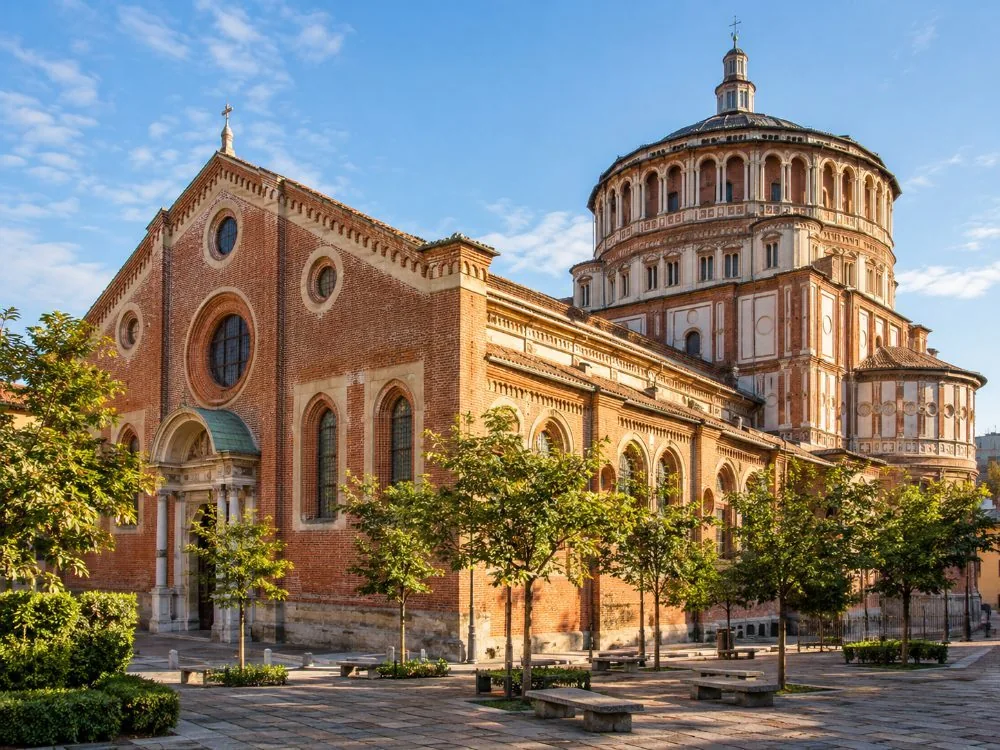 Courtyards only, not the museums
Milan: guided tour of the Last Supper and Castello Sforzesco
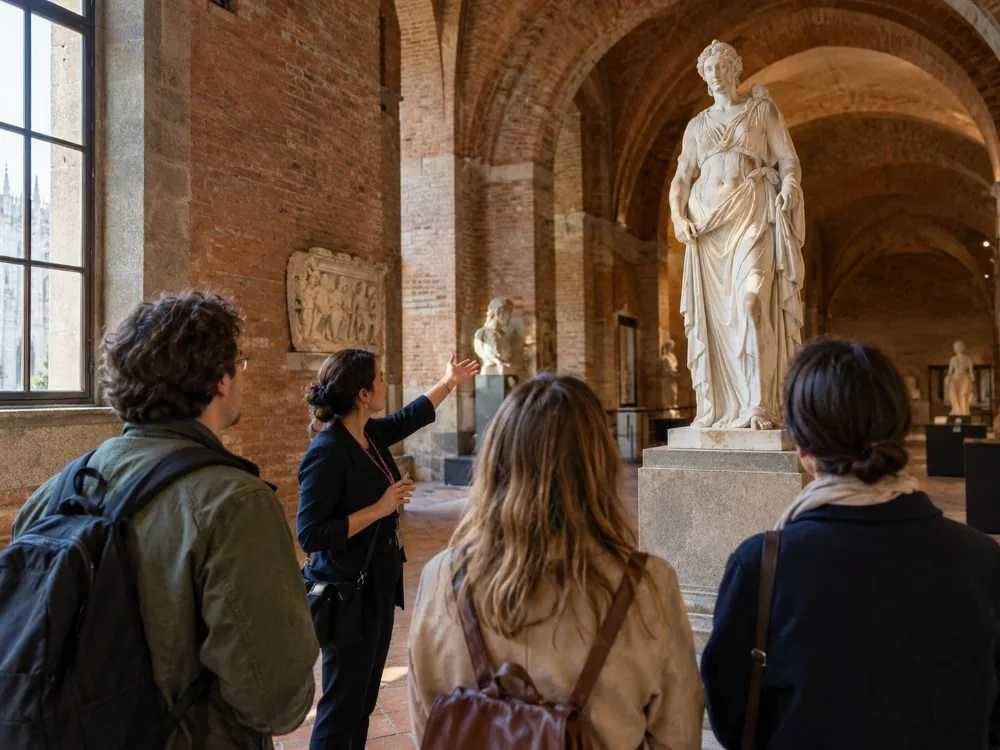 Small group · 5 languages
Milan: Castello Sforzesco and Michelangelo’s Pietà Rondanini tour
The Leonardo you actually see: the Last Supper
Skip-the-line ticket for the Last Supper, art history guide, then a walk through the castle courtyards. English only, names required at booking, free cancellation only up to 3 days before.
Frequently asked questions
Is the Sala delle Asse open in 2026?
No, it is closed for restoration. The goal is to reopen it around the Winter Olympics, with no confirmed date. What is open in the museums.
What does the Sala delle Asse depict?
A pergola of eighteen intertwined mulberry trees with golden ropes, painted by Leonardo in 1498 for Ludovico il Moro, for whom the mulberry was the emblem.
What to see by Leonardo in Milan if the room is closed?
The Last Supper at Santa Maria delle Grazie, a 15-minute walk from the castle, with advance booking. The tour that combines the two.